British Shorthair Kitten Care Guide
A complete British Shorthair kitten care guide covering grooming, coat care, exercise, litter training and health. Trusted advice from Raven British Shorthair Kittens Home.
British Shorthair Kitten Care Guide
- Grooming and Coat Care
- Shedding Season
- Nail, Ear and Dental Care
- Litter Training
- Exercise and Play
- Keeping Your Kitten Cool in the Australian Climate
- Common Health Considerations
- Indoor Living
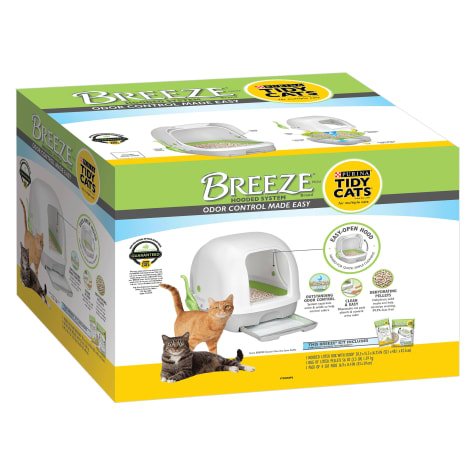
Litter Box
We recommend a low dust, low odour litter for your British Shorthair kitten. Traditional clay and heavily scented litters can produce fine dust that may irritate a kitten’s developing respiratory system, so a pellet based, non clumping system is often a better choice for young kittens. One option worth considering is a Zeolite pellet litter system, which uses pellets to trap solid waste while allowing urine to pass through to an absorbent pad below, minimising both dust and odour. Whatever litter you choose, clean the litter tray daily to keep it fresh and encourage good litter habits.
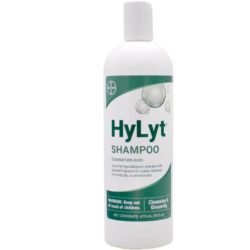
Bathing
British Shorthair kittens have a dense double coat that traps natural oils, dirt and loose hair close to the skin, so regular brushing is essential to keep their coat healthy and prevent matting. If your kitten dislikes being brushed, grooming gloves are a gentle alternative, there are versions made specifically for cats, and a soft bristle brush designed for sensitive human skin can also work well. Regular brushing also means your British Shorthair will rarely need a full bath, since it keeps the coat clean and the natural oils properly distributed. When a bath is needed, we recommend Bayer HyLyt Shampoo, a soap free, moisturising formula that cleanses gently without stripping your kitten’s natural oils.
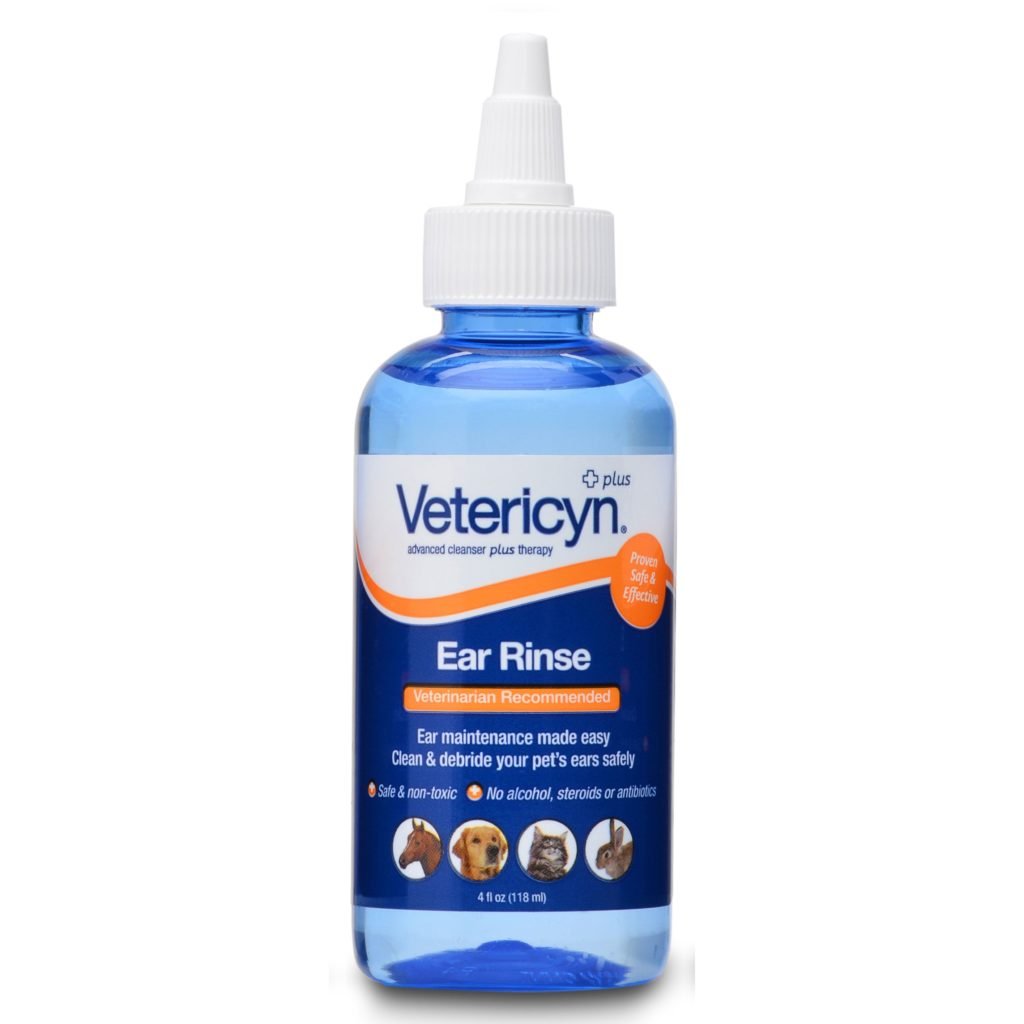
Ears
British Shorthair kittens have some hair inside the ears, which can trap dust and debris more easily. Cat ears naturally produce wax and oil, so it’s worth checking your kitten’s ears weekly for any buildup, dirt or odour. When cleaning is needed, never use Q-Tips, they can push debris deeper into the ear canal and risk injuring your kitten. Instead, use a soft cotton ball or gauze on the visible part of the ear only. We start gently checking and wiping our kittens’ ears from around 4 weeks of age as part of their regular care. We recommend Vetericyn Ear Rinse, a gentle, vet recommended solution that safely loosens dirt and wax without stinging or irritating the ear.
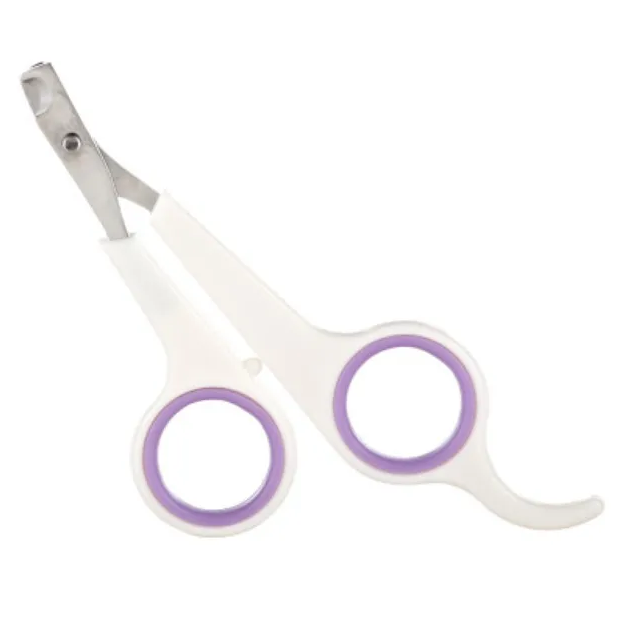
Nails
Regularly trimming your British Shorthair kitten’s nails is an important part of their care. We recommend trimming every 2 to 4 weeks using a proper pet nail scissors, such as the Whisker City Pet Nail Scissors available from Petbarn, a simple, affordable tool that does the job well without needing anything more expensive.
We also recommend introducing a scratching post early. Training your kitten to use one from the start helps protect your furniture and carpet, since cats need to scratch as part of their natural behaviour, and if they aren’t given an appropriate outlet, they’ll find one themselves.
Most owners are comfortable trimming their kitten’s nails at home once they’ve done it a few times, and it’s a simple process. Look closely at the nail, you’ll see a clear tip and a pink area further up, this pink section is the quick, which contains blood vessels and nerves. Trim only the clear tip and avoid the pink area. If you do accidentally cut into the quick and it bleeds, apply a small amount of styptic powder or plain cornstarch to the nail to stop the bleeding, do not use human antibacterial ointment, as this won’t stop the bleeding and may be unsafe if licked. If you’re ever unsure or your kitten is anxious about nail trims, a vet or groomer can also do this for you.